

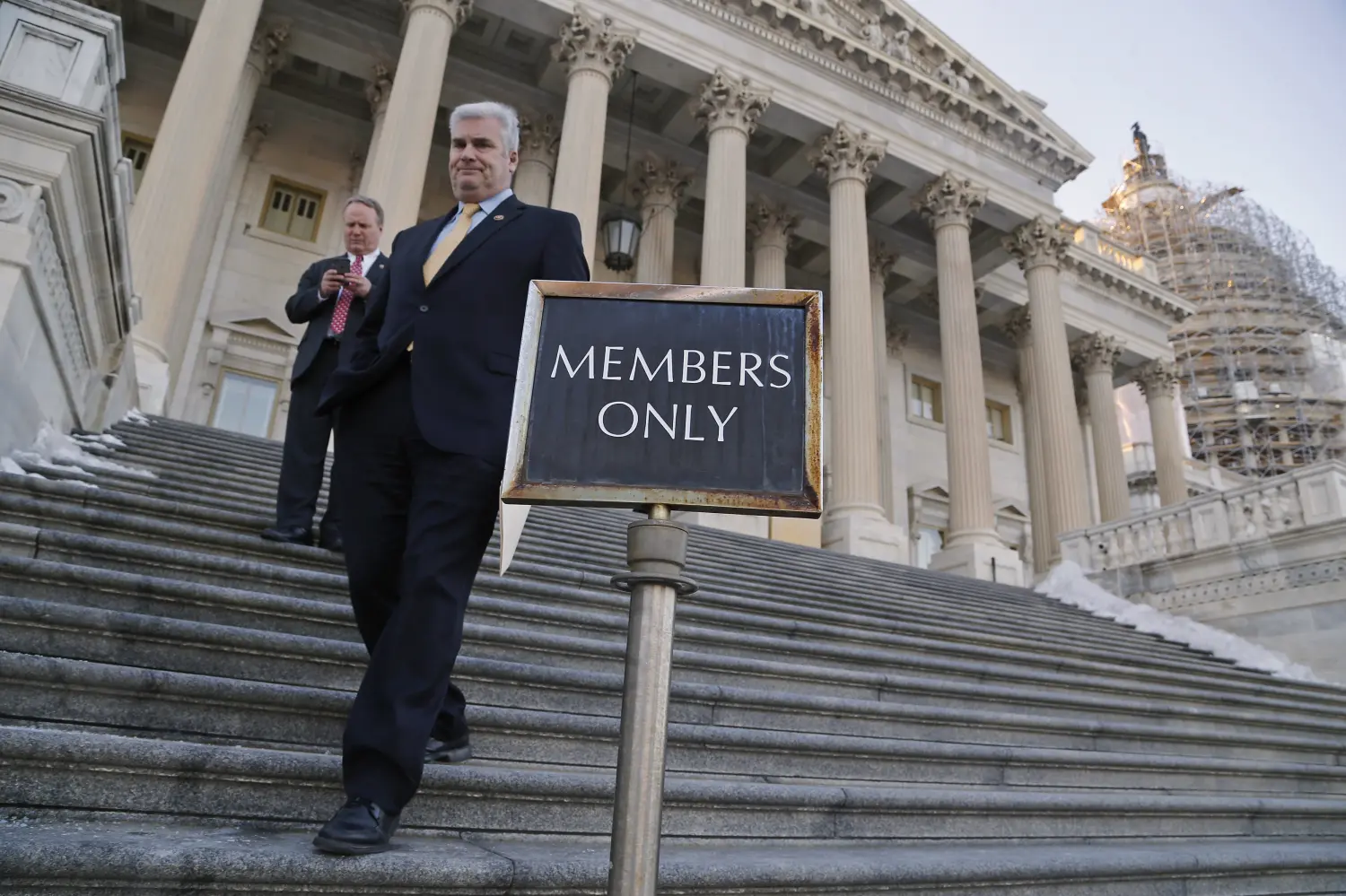
Washington, D.C., veils itself as the espouser of democracy as marvelous marble monuments are erected based on the promise of a government “of the people, by the people, and for the people.” Yet this facade hides a much more menacing reality: a system of governance operated not by the people but by money.
Lobbying has become one of the most powerful influences on American policy, with an unprecedented acceleration in recent decades. Lobbying is often defended as a legitimate form of petitioning the government, but the modern corporate-driven system has transformed it into something far more corrosive: a fully legal apparatus for billionaires and large-scale corporations to bend democracy to their will. In 2024, organizations spent about $4.44 billion lobbying the federal government, more than double what was spent a mere two decades earlier. By 2025, the figure has surged to $5.2 billion, the largest sum ever recorded.
In theory, lobbying exists so citizens and groups can advocate for their interests; however, in practice, access in Washington is determined by financial power. The health sector alone spent more than $290 million on lobbying in 2024, underscoring the influence pharmaceutical companies hold. This money does not exist in a vacuum. Instead, it shapes policies on drug pricing, patents, and regulation, helping sustain some of the highest drug prices in the world. These organizations deploy teams of lobbyists, lawyers, and former government officials who are paid lump sums to shape legislation in a way that maximizes corporate profit before it even reaches a vote, thus showing the inherent inequity in lobbying, a system that is supposedly to work for the interests of the commoners.
Additionally, another aspect is the so-called “revolving door” between government and industry. Former lawmakers, congressional staffers, and officials routinely leave public service to become lobbyists, their motivation being a salary several times larger than their government paychecks. In turn, corporations and high-net-worth individuals gain access to the innermost circles of policymakers.
Needless to say, this creates another dangerous incentive structure, with the implication being clear: if policymakers know lucrative lobbying jobs await them, why even bother placing regulations on these industries?
The influence of lobbying is evident in policy outcomes across nearly every major issue: oil and gas companies have spent hundreds of millions of dollars lobbying against climate legislation, helping weaken or delay policies such as carbon pricing proposals and stricter emissions regulations; after the 2008 Financial Crisis, large banks and financial institutions spent heavily lobbying to weaken parts of the Dodd-Frank Wall Street Reform and Consumer Protection Act, which aimed to impose stricter regulations on banks and increase oversight of Wall Street to reduce the risk of another economic collapse, leading to several regulations being rolled back over the years; major tech firms have lobbied intensively against antitrust action against companies like Meta, Google, and Apple, thereby slowing a lot of the proposed legislation to limit market dominance of large digital platforms. These are a few probing examples out of the millions of such real-world policy consequences of the pervasive system of lobbying.
Such influence also poses a very serious structural threat to democracy. A system into the fabric of which the values of equal representation are woven cannot operate successfully if the power scales are so disequilibrated. It is common sense that when policymaking becomes dependent on well-funded interest groups, government gradually shifts away from representing the majority and transforms into a puppet of the elite minority. Representation should not be limited to those who can afford to be heard.
The United States is hardly the only democracy struggling with the influence of money and unfair influence in politics. However, the scale of the American lobbying industry is extraordinary. A system that spends over 5 billion dollars, most of which comes from deep-pocketed business magnates and large corporations, to influence lawmakers cannot plausibly claim that political influence is distributed equally among its citizens.
Reforming this system is possible, but it is a challenging feat. Proposals have been made to structure lobbying disclosure laws to limiting revolving door and public financing of elections. The incentive to enact such policies is low for the well-fed politicians, and the public drive to end such practices is small and fragmented.
Yet, reform is necessary because the alternative is clear. If political influence continues to concentrate in the hands of corporations and billionaires, democracy itself risks becoming a mere ceremonial process. It will lead to a future where Americans will still vote, but the most important decisions will already have been taken behind closed doors in the Capitol. And democracy will survive only in name.

Leave a Reply