

When taking a look at the United States, it is important to analyze the building blocks of how our government is formatted. A lot of people can tell you the three branches of government, but not what they actually do for the country. It’s important for citizens as a whole to understand how each branch cooperates to keep the government running.
What are checks and balances?
Checks and balances are a main reason we have three branches of government. Each branch has the ability to check another one, ensuring that no branch has an unbalanced amount of power.
The Judicial Branch
The Judicial Branch of the United States Government contains the Supreme Court which decides important court cases related to law and the United States Constitution. The Supreme Court contains nine justices who have no term limit. Supreme Court justices are appointed by the President. The President can appoint anyone to become a judge regardless of age or education. To check this, the appointee has to be confirmed by the Senate to fully become a judge. The Supreme court is the highest court in the U.S system, it has the authority to find laws and executive orders unconstitutional.
The Executive Branch
The Executive Branch contains the President, their Vice President, and the cabinet. The President is the leader of the country. The President has the authority to sign and carry out laws passed by the Legislative Branch. When the President disagrees, they are able to veto a bill. A veto can be overturned when two thirds of the house and senate agree to it. Additionally, the President also serves as the Commander in Chief for the U.S. Military and arranges treaties. The President also has the grant to hand out presidential pardons for federal offences. The Vice President is the Chief Deputy and is also the President of the Senate who is the tie-breaking vote if needed. The cabinet manages sectors of the government to ensure that every part of the nation is organized and up to protocol.
The Legislative Branch
The Legislative Branch holds the Senate and House of Representatives. Both houses are elected by states and regions within states to create and edit federal bills while voicing the opinions and concerns. The House holds 435 representatives who each serve two-year terms. Each state is given an amount of representatives based on their population. For example, Alaska has one representative while Texas has thirty-eight. The Senate has seats for two senators per state. In total, that leaves 535 members to create and ratify bills. The Speaker of the House is an elected position to be the leader of the House of Representatives. Along with creating and ratifying bills, congress has the power to overturn a president’s veto and impeach the president. The impeachment process includes accusation from the House of treason, bribery, or other high crimes and then a trial conducted by the Senate. As previously noted, the Senate has the power of confirming the president’s appointment of a Supreme Court Justice.
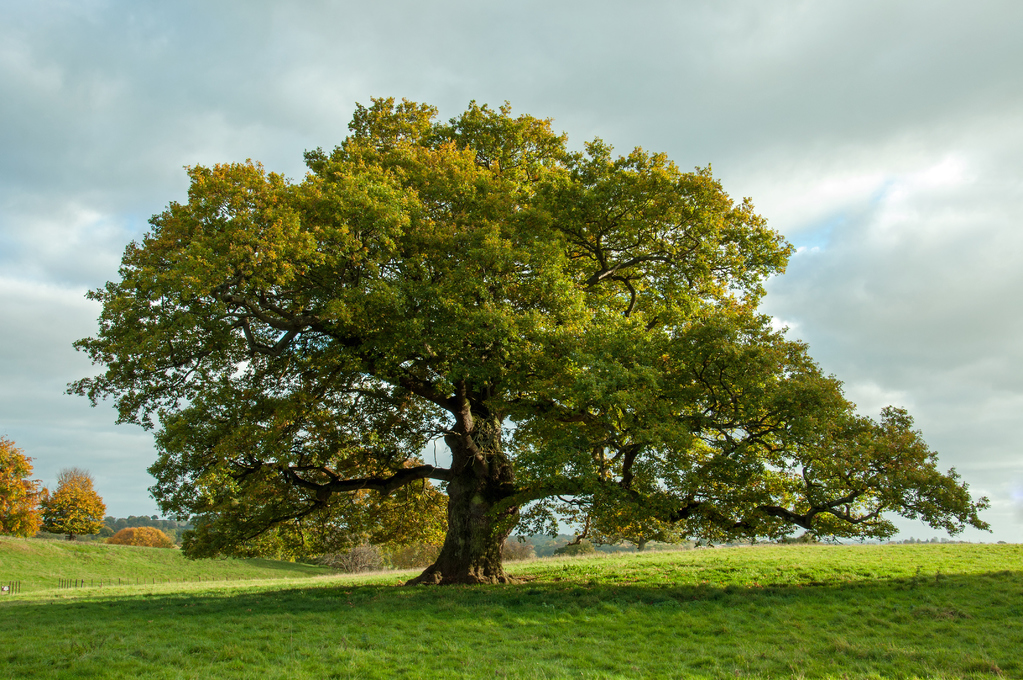
The three branches of government work together to serve as the theoretical branches of the tree that the U.S. is. All three branches need to use the system of checks and balances to avoid excessive power to a group or individual. A country cannot function if too much weight is put onto one section of it. Like a tree, the government needs to be well rooted and use all of its talents and values to grow.

Leave a Reply