

The Architects of Ramagadon
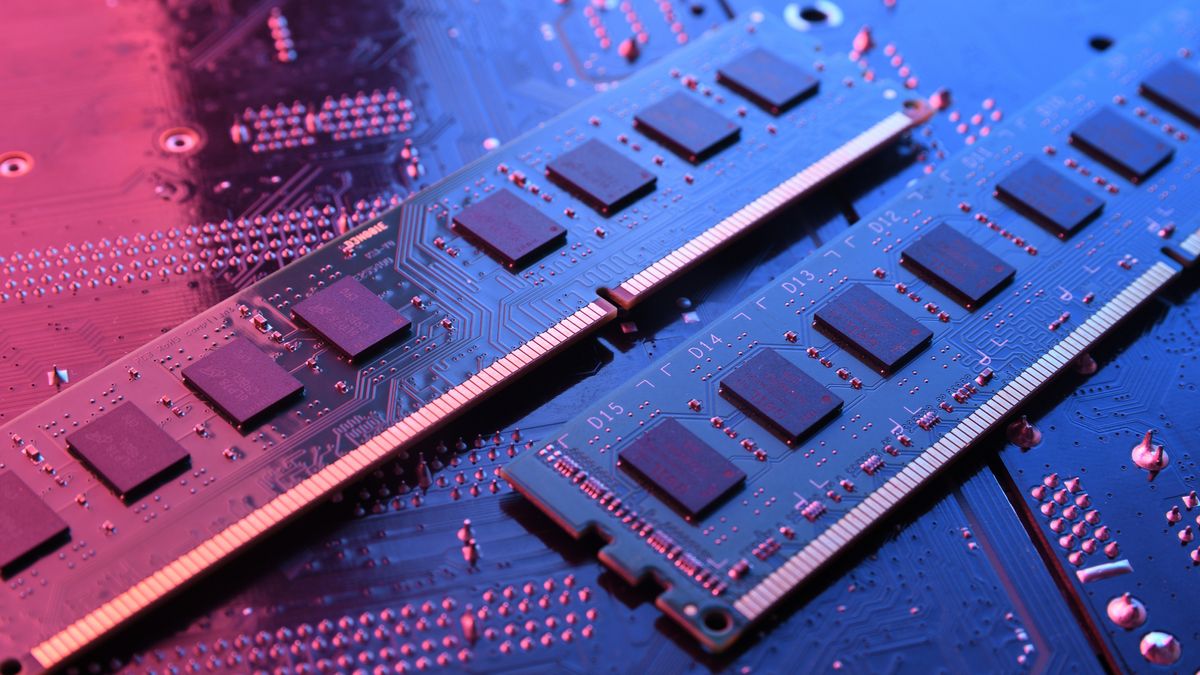
RAM, or random access memory is a short-term memory component, which is vital for all computer chips. This means that everything from your phone, to your car has RAM. Making RAM is not an easy task, it requires atomic level precision in clean rooms, which are 10,000 times purer than surgical suites. Only a few companies make RAM: SK Hynix, Samsung and Micron who control around 95% of the total RAM market. These companies have a monopoly over the market since they can collectively decide to raise prices.
Rise of AI
With the introduction of ChatGPT on November 30, 2022, the importance of RAM has greatly increased. When you think of AI you may think of Nvidia, an AI powerhouse and the most valuable company on earth. But even Nvidia still needs RAM to power all of its AI computer computers. With the rise of AI, the need for data centers has increased. To power these AI data centers, a large amount of RAM is needed. This has created a bidding war for a limited amount of RAM. This bidding war caused ram prices to increase by around 200% – 400%. To make the problem even worse, these AI companies aren’t actively using the RAM. They are buying RAM in advance for AI super computers they’re planning to build in the future. This means that the RAM has already been sold for years to come. Major companies, such as Apple, Google and Meta have sent salesmen to the RAM factories to try to negotiate prices. With the limited supply and the long order books, this shortage doesn’t look like it will go away anytime soon.
Beyond the screen
The shortage has major effects on our lives. Most devices we use on a regular basis have computer chips. This includes phones, AirPods and even household appliances, like fridges, cars and microwaves. The increase in cost of RAM can lead to the increase in cost of these products. In 2022, a semiconductor shortage resulted in a reduction in the production of computer chips. This resulted in car prices increasing drastically, as well as less video game consoles, home appliances, and other tech products. This shortage was relatively short lived and was primarily due to the pandemic, but regardless, it still had devastating consequences. The 2026 RAM shortage is expected to last longer and since we use more tech than before, the impacts are expected to be much worse. Tech products are supposed to go up around 15% to 20%. If the iPhone 17 Pro Max, the flagship Apple phone, goes up 20%, it would cost around $1400 for the base model instead of the usual $1199. While iPhones won’t go up this high cost, products from smaller companies who don’t have as much bargaining power won’t be able to secure enough RAM for their products. This would lead to a lower supply which would lead to higher cost for all devices in the category.
Samsung VS Samsung
This ram shortage has affected many companies, including Samsung, which is well known for its tech appliances, such as their phones, fridges and washing machines. One may logically believe that Samsung would be able to avoid the ram shortage due to the fact that they produce around 40% to 50% of all global RAM. However, Samsung Semiconductor, the branch of Samsung that manufactures RAM acts independently compared to Samsung Electronics, the branch that creates consumer tech products. This led to a peculiar scenario where Samsung Semiconductor temporarily refused to sell RAM to Samsung Electronics because they were able to get much better prices from AI companies. This delay led the Samsung S26 lineup of phones to be delayed around two months. This also led to the S26 and S26+’s starting price to increase by $100 compared to the previous model.
The Future
Although the situation seems a little gloomy, there is still hope. New companies are finally entering the market to break the RAM monopoly, even though the complexity of the tech means it will take almost a decade to see these chips in stores. Others are hoping that AI companies will start cutting back on their enormous data center spending. If the AI bubble bursts, the price of RAM will surely plummet. This is good for our wallets, although bad for the economy as a whole.


Leave a Reply